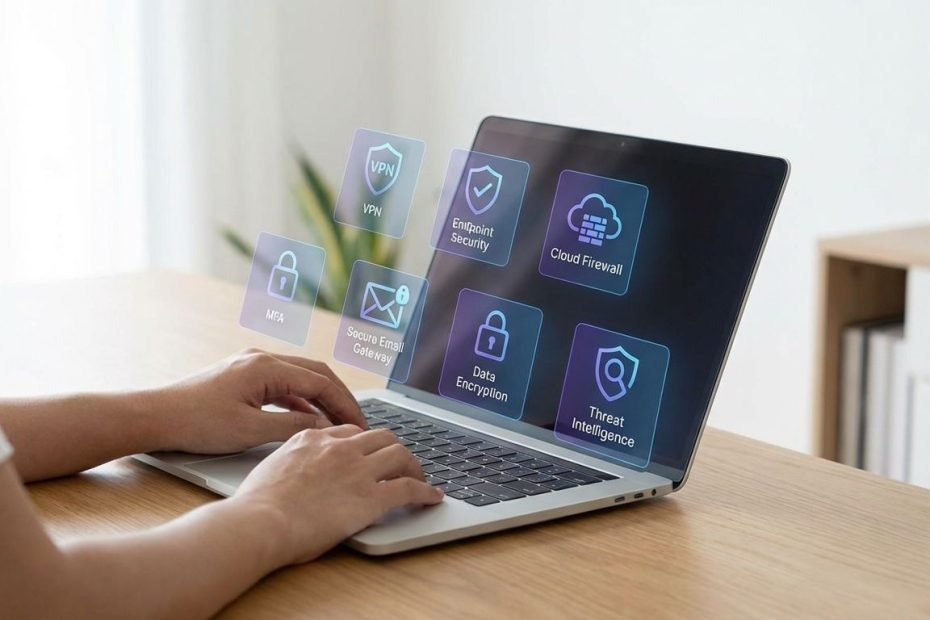
ravel today looks very different from the past. Instead of disconnecting, people now stay constantly online—whether it’s booking transport, checking into hotels, or attending virtual meetings. While this digital convenience makes travel easier, it also introduces new security risks.
From public Wi-Fi networks to unfamiliar websites, your personal data can be exposed in ways you might not expect. That’s why having the right cybersecurity tools is no longer optional—it’s essential.
In this guide, we’ll explore how modern security solutions like Surfshark One can help protect your data while traveling or working abroad, and why these tools are becoming increasingly important.
Why Online Security Matters More Than Ever While Traveling
When you’re at home, your internet connection is usually secure and familiar. But when you travel, you often rely on:
Hotel or airport Wi-Fi
Public networks in cafés and trains
Local apps and booking platforms
Shared or unfamiliar devices
Each of these can pose potential risks. Hackers often target public networks because they are easier to exploit. At the same time, many travel-related websites may not follow strong security practices.
Whether you’re a tourist or a remote worker, protecting your digital identity should be a priority.
Stay Connected Without Restrictions
One common challenge travelers face is restricted access to online services. Some platforms limit content or features based on your location. This can be frustrating, especially if you need to:
Access work tools
Manage subscriptions
Log into banking services
Using a virtual private network like Surfshark VPN allows you to connect to the internet as if you were in another country. This helps maintain seamless access to essential services, no matter where you are.
For freelancers and remote employees, this means fewer disruptions and a smoother workflow across different regions.
Protect Your Data on Public Wi-Fi
Public Wi-Fi is convenient, but it’s rarely secure. Networks in airports, hotels, and cafés can expose your data to cyber threats if not properly protected.
A secure connection encrypts your internet traffic, making it difficult for others to intercept your information. This is especially important when:
Handling sensitive work documents
Logging into personal accounts
Making online payments
Encryption acts like a shield, ensuring your data stays private even on shared networks.
Avoid Paying More While Booking Travel
Have you ever noticed that flight or hotel prices change depending on where you’re browsing from? This is known as dynamic pricing.
Many websites adjust their prices based on factors like:
Your location
Demand patterns
By changing your virtual location using a VPN, you may be able to view different pricing options and avoid unnecessary costs.
In addition, tools that block tracking cookies can limit how much websites know about you, giving you more control over your online experience.
Stay Safe on Unfamiliar Websites
Travel often requires interacting with new platforms—local booking services, transportation apps, or regional agencies. Not all of these sites are equally secure.
Some may expose you to
Phishing attempts
Unsafe file attachments
Cybersecurity suites with built-in antivirus protection can help detect and block harmful content before it affects your device. This adds an extra layer of defense when browsing unfamiliar parts of the internet.
Limit the Personal Information You Share
Signing up for services while traveling often means sharing your email address or phone number. Over time, this can lead to spam—or worse, data exposure.
Features like alternative identity tools allow you to:
Create temporary email addresses
Use secondary contact details
Keep your primary information private
This is particularly useful when dealing with services you don’t plan to use long-term.
Monitor Data Breaches in Real Time
When you use multiple online services during travel, your personal information may end up in different databases. Unfortunately, not all companies handle data securely.
If a data breach occurs, your information could be exposed without your knowledge.
Security tools with alert systems can monitor whether your:
Email address
Passwords
ID details
have been compromised. If a breach is detected, you’ll receive a notification along with guidance on what steps to take.
This allows you to act quickly and minimize potential risks.
Easy Setup for Immediate Protection
Getting started with a cybersecurity solution is typically simple and quick. Most platforms follow a straightforward process:
Create an account and choose a plan
Download the app on your device
Log in using your credentials
Connect to a secure server
Activate additional features like antivirus or alerts
Once installed, these tools usually run quietly in the background, providing continuous protection without interrupting your daily activities.
A Digital Safety Net for Modern Travelers
People often invest in travel insurance to protect their luggage and health—but digital security is just as important.
Every time you:
Log into an account
Connect to a network
Share personal data
you’re taking a potential risk. A reliable cybersecurity solution helps reduce that risk, giving you peace of mind wherever you go.
Who Benefits the Most?
While everyone can benefit from online protection, certain groups may find it especially useful:
Remote workers managing sensitive data
Freelancers working across multiple countries
Frequent travelers using public networks regularly
Digital nomads relying on online tools daily
For these individuals, maintaining both productivity and security is essential.
Final Thoughts
Traveling should be about exploration, productivity, and enjoyment—not worrying about cyber threats.
By using modern tools like Surfshark One, you can:
Secure your internet connection
Protect your personal data
Access services without restrictions
Reduce online risks
As the world becomes more connected, digital safety becomes just as important as physical safety. Taking a few simple precautions can make your travel experience smoother, safer, and far more enjoyable.