Introduction
Augmented reality (AR) gaming glasses are quickly becoming a popular way to enjoy games on a massive virtual screen—without needing a TV or monitor. After spending months testing some of the latest models from brands like Xreal and Viture, one thing is clear: no single pair currently offers everything gamers truly want.
While today’s options come close, each has its own strengths and weaknesses. Based on hands-on experience, here are the nine essential features that would define the perfect AR gaming glasses in 2026.
The Rise of AR Glasses for Gaming
Using AR glasses as a portable display isn’t new. You can connect them to devices like handheld consoles, smartphones, or laptops via USB-C and enjoy a private, large-screen experience anywhere.
A major improvement in recent models is the addition of 3DoF (three degrees of freedom). This feature allows the virtual screen to stay fixed in space instead of moving with your head, making gameplay far more comfortable.
Even so, with prices often exceeding $400, these devices still need refinement to justify the cost for most users.
Lightweight and Comfortable Design
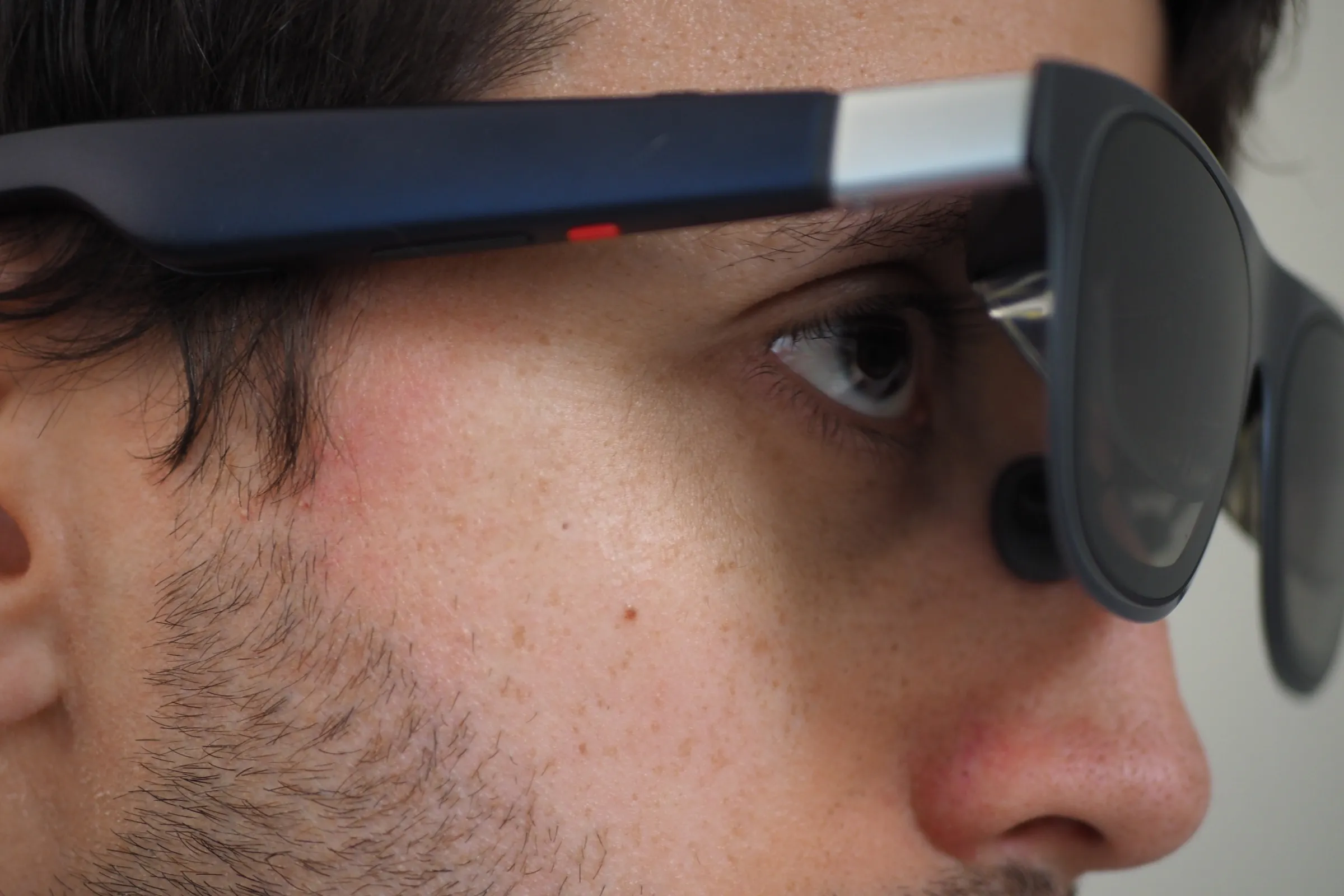
Comfort is one of the most important factors for wearable tech. AR glasses are naturally bulkier than regular eyewear, but some models manage this better than others.
The ideal pair should:
Be lightweight for long gaming sessions
Distribute weight evenly across the face
Include adjustable nose pads for different users
A well-balanced design reduces strain on the ears and nose, making extended use far more enjoyable.
High-Quality Built-In Audio
Sound quality can make or break the immersive experience. The best AR glasses should deliver:
Clear and balanced audio
Strong bass performance
Good sound even at lower volumes
Built-in speakers located in the frame should provide a rich listening experience for games, movies, and music without needing headphones.
Simple and Intuitive Controls
Ease of use matters, especially for new users. AR glasses should avoid overly complicated button layouts.
An ideal setup would include:
Minimal buttons placed in easy-to-reach areas
Straightforward controls for brightness and volume
A short learning curve
Too many buttons can confuse users and reduce overall usability.
Sharp Display with Strong Contrast
Visual quality is a top priority for gaming. Even though many AR glasses use similar display panels, the optics can greatly affect performance.
The perfect display should offer:
Deep blacks and vibrant colors
High brightness for different lighting conditions
Minimal reflections and glare
A great AR display should feel as close as possible to a high-end OLED TV experience.
Reduced Reflections and Better Optics
One common issue with current AR glasses is reflections, especially in bright environments.
To improve this, ideal AR glasses should include:
Advanced optics that minimize glare
Clear visuals even in well-lit rooms
Consistent image quality across environments
Better optics can significantly enhance the viewing experience.
Premium Build Quality
Since AR glasses are a premium product, they should feel like one.
Important build features include:
Durable materials such as metal hinges
Smooth folding mechanisms
A stylish, everyday look similar to sunglasses
A solid build not only improves durability but also enhances user confidence in the product.
Stable and Reliable 3DoF Tracking
3DoF is one of the most important advancements in AR glasses. However, not all implementations are equal.
The ideal system should:
Keep the screen firmly anchored in place
Prevent drifting or shifting during use
Offer a stable and comfortable viewing experience
Unstable tracking can quickly ruin immersion, so this feature must be precise and reliable.
Optional 3D Viewing Mode
Some AR glasses now include software that converts 2D content into 3D.
While not essential, a good 3D feature should:
Add subtle depth without overwhelming the viewer
Work well with slower-paced games and content
Be adjustable to suit user preference
When done right, it can add an extra layer of immersion.
Wide Device Compatibility
Compatibility is still a challenge, especially with certain gaming consoles.
The perfect AR glasses should:
Connect easily with handheld consoles, phones, and PCs
Require minimal extra accessories
Support plug-and-play functionality
The fewer cables and adapters needed, the better the overall experience.
Current Limitations of AR Gaming Glasses
Despite recent improvements, today’s AR glasses still have some drawbacks:
Some models struggle with reflections in bright environments
Audio and build quality vary between brands
Accessories may be required for full compatibility
Not all features work consistently across devices
These limitations show that the technology is still evolving.
Final Thoughts
AR gaming glasses are an exciting step forward in portable entertainment. They offer a unique way to enjoy games on a large virtual screen anywhere you go.
However, no current model delivers the complete package. The ideal pair would combine comfort, display quality, stable tracking, great audio, and seamless compatibility into one device.
As technology continues to improve, it’s only a matter of time before we see AR glasses that truly meet all these expectations.